Find Makeup From a Photo


Download for iPhone: find makeup from a photo with Invy
Match the package architecture and label first, then verify product line, shade, finish, formula, and size before buying.
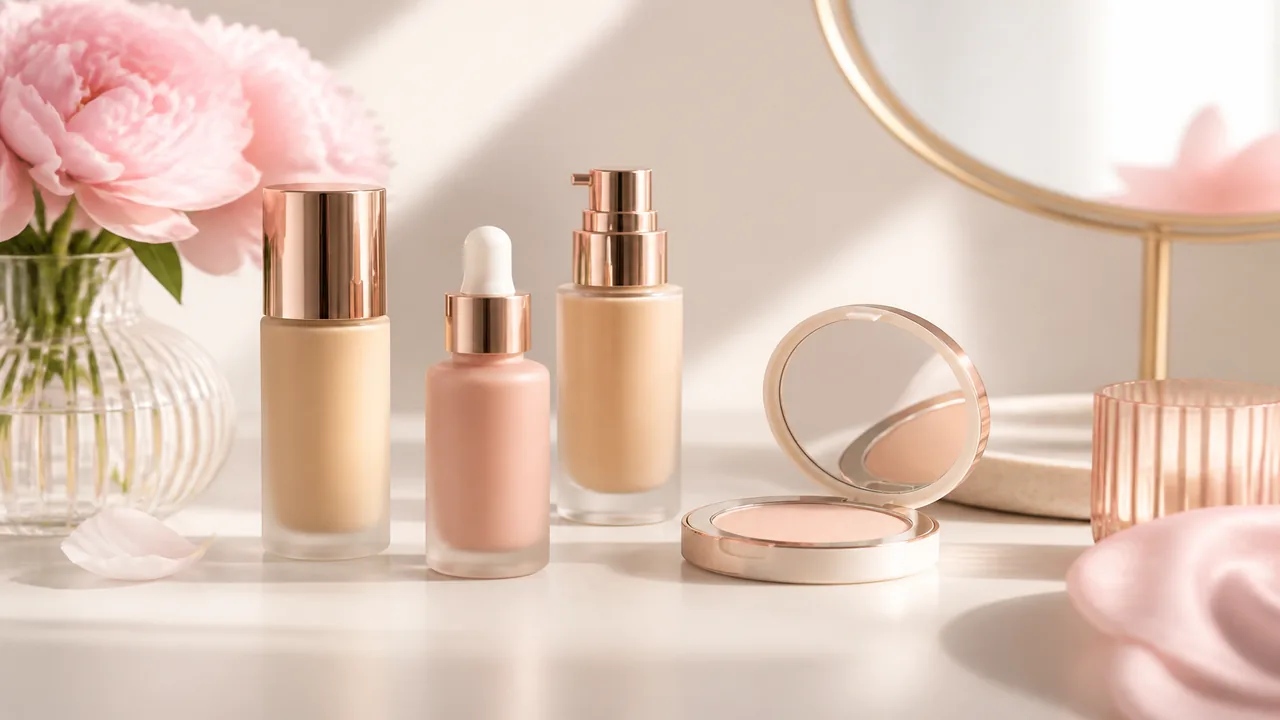
To find makeup from a photo, search the clearest image of the complete tube, bottle, palette, compact, pencil, or jar. Packaging can identify a brand family quickly, but the exact item lives in the small details: shade sticker, product-line wording, finish, applicator, net weight, region, and generation of packaging.
Invy is a shop-by-image and price-comparison app. Use the photo to surface likely products, then check the listing against the label. A similar color on a face is not enough to identify an exact shade.
Package Clues That Narrow the Product Line
- Container: frosted or clear bottle, squeeze tube, bullet, cushion, pot, pan, stick, pencil, or palette.
- Brand system: logo placement, typography, cap color, trim, embossing, and signature shape.
- Applicator: doe-foot, brush, spoolie, pump, dropper, puff, wand, or twist-up tip.
- Label: line name, shade number, finish, coverage, SPF, net weight, and country text.
- Packaging era: old logo, limited-edition artwork, holiday sleeve, collaboration, refill, or redesign.
Identify the Printed Shade, Not Just the On-Screen Color
Photos alter color through white balance, exposure, compression, display settings, filters, and surrounding light. Foundation also oxidizes; lipstick changes with lip tone; eyeshadow shifts over primer. Use visible color as a search clue, not proof.
Photograph the base or back sticker squarely and transcribe the shade name and number. Confirm finish—matte, satin, shimmer, metallic, gloss, balm, or radiant—and formula version. Similar names can exist across different lines.
Six Steps to Match Makeup Packaging and Shade
- Photograph the whole product and any outer carton in neutral daylight.
- Capture the front, base, back ingredients, shade sticker, cap, and applicator.
- Search the full package, then crop the logo and label as separate searches.
- Compare the candidate’s line name, shade, finish, size, ingredients, and packaging era.
- Check official brand pages or reliable retailers for reformulations and discontinued shades.
- Compare total prices only across the same size, formula, shade, and condition.
The find makeup from photo app can help locate matching listings, including visually similar current products when the original package has been discontinued.
How to Interpret Makeup Photo Results
| Result | Likely match | Verify before purchase |
|---|---|---|
| Same bottle or compact | Brand and product family | Line generation and size |
| Same shade sticker | Shade name or number | Formula, region, and reformulation |
| Similar swatch | Color family | Undertone, finish, and skin interaction |
| Limited-edition artwork | Collection or collaboration | Contents, authenticity, and age |
Safety, Authenticity, and Price Checks
Buy cosmetics from sellers with clear sourcing, seals, return terms, and product details. Counterfeit or poorly stored makeup can imitate packaging. Do not use a product with broken seals, contamination, separation, unusual odor, changed texture, or signs of tampering.
When comparing prices, watch for minis, samples, testers, refills, empty collectible packaging, bundles, and subscription-only offers. Check shipping and taxes, but also whether the product is current enough to use safely.
Photograph Packaging, Labels, and Swatches Accurately
Photograph the closed product first on a neutral background in indirect daylight. Add the base, crimp, back label, cap, applicator, compact interior, palette shade names, and outer carton. Keep the label plane parallel to the camera so small type stays legible. If the container is reflective, move it away from the light until the logo and product-line wording are visible instead of increasing contrast in editing.
A swatch can support color-family research, but package evidence should lead identification. If you swatch a product you already own and can use safely, record whether it is wet or dry and photograph it beside the package in neutral light. Do not apply an unknown, old, opened, or secondhand cosmetic to skin. Avoid filters and automatic beauty modes; they can shift undertone, finish, and depth enough to create the wrong shade match.
Use Strong Makeup Clues and Skip Unreliable Color Guesses
| Clue | Use it to identify | Do not rely on it when |
|---|---|---|
| Shade sticker | Name, number, and sometimes finish | Sticker appears moved or unreadable |
| Net weight and ingredients | Formula generation and regional version | Only a cropped reseller image is available |
| Applicator | Separate related product lines | Applicator may have been replaced |
| Face or lip photo | Broad color and finish family | Filters, lighting, and layering are unknown |
| Batch code | Manufacturer research lead | An unofficial calculator is the only source |
Skip claims such as “exact dupe” based on one edited swatch. Undertone, opacity, texture, oxidation, wear, and skin interaction can differ even when two screenshots share a color.
Verify Reformulations, Sizes, and Packaging Generations
Brands often keep a familiar product name while changing ingredients, shade numbers, packaging, applicators, SPF claims, or net weight. Compare your photo with an official current page and, when necessary, archived brand or authorized-retailer pages. Read the full line name: a hydrating, long-wear, serum, matte, and powder version may share branding but perform differently.
Check country-specific packaging because ingredient labels, shade names, sunscreen claims, and available sizes can vary. Confirm whether a listing is full size, travel size, refill pan, empty case, sample, tester, set, or discontinued stock. If matching the color is the real goal, use the old shade only as a reference and compare current alternatives by undertone, depth, finish, coverage, and formula—not package resemblance alone.
Limits and Safety Boundaries of Makeup Photo Search
A photo can help identify
- Brand, product family, and packaging era
- Printed shade name, number, and finish
- Likely size and limited-edition collection
- Current store listings and close alternatives
A photo cannot confirm
- Safe storage or microbial contamination
- Authenticity from packaging alone
- An exact shade on every skin tone
- Expiration when evidence is incomplete
Invy helps find makeup from a photo and compare prices, but product safety and suitability require seller trust, intact packaging, ingredient review, and current manufacturer guidance. When age or contamination is uncertain, replacement is safer than testing the product.
For palettes and sets, identify both the collection and the individual shade position. Brands sometimes reuse shade names, rearrange pans, or sell visually similar holiday editions with different formulas. Compare the reverse label, pan count, layout, net weight, and collection artwork. If the goal is to replace one finished item, do not pay a scarcity premium until you have checked whether the brand renamed the shade, moved it into a permanent line, or offers a current product with the same undertone and finish.
FAQ
Can I find a makeup product from a photo?
Yes, distinctive packaging can often identify the brand and product line. Confirm the exact shade, finish, formula, and size from the base label, box, cap, applicator, or retailer listing.
Can a face photo identify an exact makeup shade?
Usually not reliably. Lighting, camera processing, filters, skin tone, layering, and other products change appearance. A swatch or packaging photo plus the printed shade name or number is stronger evidence.
Where is the shade name usually printed?
Check the base sticker, crimp, back label, outer carton, compact underside, cap, palette reverse, or batch-label area. Shade names may differ by country or after a relaunch.
How do I recognize old versus new packaging?
Compare logo typography, cap and bottle shape, ingredient-panel layout, net weight, applicator, shade numbering, and official launch imagery. Brands frequently redesign packaging while keeping similar product names.
Is it safe to buy discontinued makeup secondhand?
Use caution. Check whether it is sealed, authentic, stored properly, within a safe usage period, and allowed by the marketplace. Avoid opened eye or lip products and anything with changed smell, texture, or color.
What should I compare in makeup prices?
Match product line, formula, shade, finish, size, region, set quantity, seller, shipping, returns, and expiration or batch information. A mini, refill, tester, or empty box is not the same offer.