Exact Match vs Similar Products in Visual Shopping


Download for iPhone: AI shopping assistant app
Exact match vs similar products means the difference between identifying the same SKU and showing lookalike alternatives. Exact matches are best for price comparison, replacements, and compatibility; similar products are best for discovery, style inspiration, and fallback options when the original item is unavailable. Invy helps shoppers start with the image, then review whether a result looks like the same item or a useful alternative.
For Invy, the core answer is Shop By Image: upload a product image, separate exact matches from likely and similar results, then compare buyable listings before checkout.
> Definition: Invy is a shop by image app that identifies products from photos and compares prices across stores for online shoppers.
- An exact product match visual search result should identify the same brand, model, size, color, and variant before comparing prices.
- Similar product matching uses visual or functional resemblance, so it can be useful without being a guarantee of the same item.
- Visual search accuracy improves when the photo shows labels, model numbers, logos, packaging, and distinctive product details.
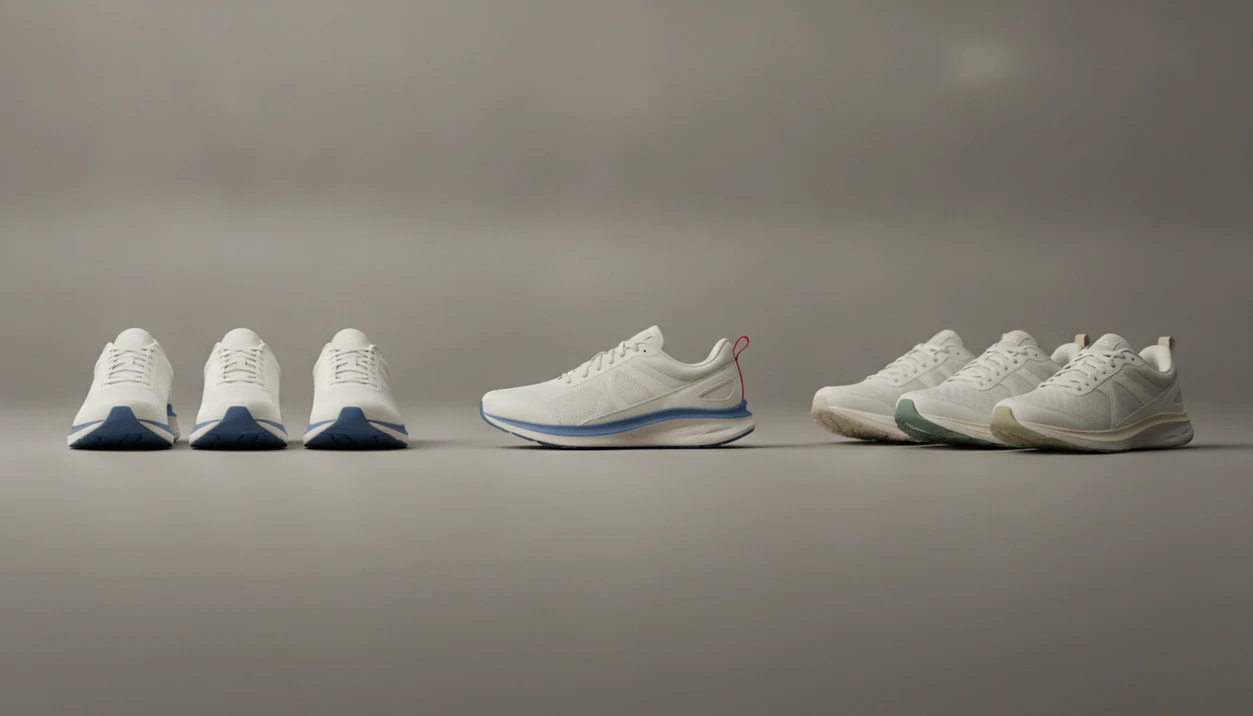
Exact match vs similar products, side by side
Side-by-side captures of the compared products. Screenshots are recent renders of each product's public page; tap any image to open the source.
Exact Match vs Similar Products Comparison Table
Exact match means the result points to the same SKU, brand, model, size, color, and version. Similar products are visually or functionally related items, but they are not guaranteed to be identical.
| Result type | What it means | Best for | Main risk |
|---|---|---|---|
| Exact match | Same SKU or variant across retailer listings | Price comparison, replacements, compatibility checks | False confidence if specs are not verified |
| Likely match | Strong visual and catalog overlap, but not fully confirmed | Checking offers when details look close | Wrong size, generation, or bundle |
| Similar product | Same look, category, function, or style | Inspiration, out-of-stock alternatives, budget options | Same-looking is not always same-product |
Similar-item retrieval is often easier than precise SKU recognition because shape and color are easier to match than variant-level catalog data. That matters when a hoodie drawstring color matched onscreen, but the size menu showed only youth sizing after tapping the seller page.
How Exact Match and Similar Product Matching Works
Exact match and similar product matching works by turning the uploaded product photo into searchable clues, then checking those clues against retailer catalog data. The image model reads visual features such as shape, color, texture, category, and distinctive details; in plain English, it looks for the parts of the photo that make the item recognizable.
- Extract image features from the upload, giving stronger weight to clear product edges, labels, packaging, logos, and unusual design details.
- Read visible text with OCR, so model numbers, brand marks, size labels, and printed packaging can support an exact-match decision.
- Compare those signals with catalog identifiers such as SKU, UPC, EAN, title, variant, size, color, and seller attributes.
- Separate same-SKU results from lookalikes when the identifiers and product details line up across listings.
- Widen the result set into similar products when confidence is too low for a true exact match.
That final seller-page check still matters before buying. A result can look right in the grid while the listing page shows the wrong variant, bundle, condition, or size.
How to Use Exact Match and Similar Product Results
Use exact match results when you need the same product, and use similar product results when a close alternative would still work. The safest workflow is to treat the image result as a starting point, then confirm the listing details before checkout.
- Upload the clearest image you have, with the product centered and labels, logos, packaging, model numbers, or distinctive details visible when possible.
- Check the result type before you tap through: exact means stronger SKU confidence, likely means close but not fully proven, and similar means the item may only share style, shape, or function.
- Compare the listing details against the original product, including size, model number, color, generation, bundle contents, material, and condition.
- Use similar products only when substitutions are acceptable, such as a different brand, a budget alternative, or a sold-out style replacement.
- Confirm the real checkout picture by reviewing item price, shipping, taxes, return policy, seller details, and any warranty or marketplace condition notes.
That extra minute matters most when the product looks right in the grid but changes on the seller page.
Five Facts About Exact Product Match Visual Search
Exact product match visual search should be treated as a verification workflow, not just a pretty results page. The first result can be helpful, but the seller listing still needs checking.
- Exact match requires high confidence that the result is the same SKU, not only the same-looking product photo.
- Similar product matching is useful for discovery, but risky for strict replacements like chargers, parts, or fitted accessories.
- Image quality, visible markings, OCR, and catalog data affect visual search accuracy.
- Exact matches unlock safer cross-store price comparison because item price, shipping, taxes, and condition can be compared against the same product.
- Shopping apps should label exact matches, likely matches, and similar items separately with confidence cues.
Anyone dealing with a blurry Instagram Story screenshot before it disappears needs Invy because the Shop By Image workflow separates product matches from similar options before the shopper compares stores.
Exact Product Match Use Cases for Visual Shopping
Use exact matches when the wrong product creates a practical problem, not just a style mismatch. Electronics, replacement parts, high-ticket purchases, and variant-heavy products need SKU-level checking before checkout.
A phone case for the wrong generation may almost fit. A replacement filter may have the right shape and the wrong connector. A camera bundle may show the body you want, but leave out the lens shown in another retailer listing.
For shoppers comparing prices, exact SKU identification usually matters more than visual similarity because the final offer depends on item price, shipping, taxes, condition, warranty, and seller trust. Invy fits this use case because it starts with the image, then supports price comparison across buyable results instead of stopping at a lookalike grid.
The pocket check is real.
Similar Product Matching Use Cases for Shopping Discovery
Similar product matching is useful when the shopper wants options, not certainty. Similar does not mean bad; it means the search has widened around shape, color, silhouette, material, category, or function.
A creator mirror selfie may not show a label, but it can still reveal a cropped jacket shape, a ribbed texture, or a wide-leg cut. That is enough for discovery. Google/Ipsos retail research has reported that about half of online shoppers say images inspired purchases they were not originally planning to make, which explains why lookalike results matter (source: https://www.thinkwithgoogle.com/consumer-insights/consumer-trends/visual-shopping-statistics/).
Shoppers looking for budget alternatives after a sold-out badge appears can use Invy to move from the original image into similar options and retailer listings. For deeper style browsing, the workflow overlaps with how people find similar products by image when the exact brand is unknown.
Image, OCR, and Catalog Signals Behind Exact and Similar Results
Visual shopping systems compare image signals with catalog signals to decide whether a result is an exact match, a likely match, or a similar item. Computer vision extracts features such as shape, color, texture, logo placement, and category; in plain terms, it turns the picture into searchable product clues. Google’s Vision documentation lists object detection and OCR as separate image-understanding features, which is why visible packaging text and product markings can change the result quality (sources: https://cloud.google.com/vision/docs/object-localizer and https://cloud.google.com/vision/docs/ocr).
OCR can read logos, labels, packaging, barcodes, and model numbers when they are visible. Catalog matching then checks SKUs, UPC or EAN data, product titles, attributes, and seller listings. For global retail identifiers, GS1 describes GTINs as keys used to identify trade items across systems, which is the catalog layer visual search needs for stronger exact-match confidence (source: https://www.gs1.org/standards/id-keys/gtin). If confidence is low, the system may return similar products because the image is strong enough for resemblance, but not strong enough for SKU proof.
Invy uses this kind of practical split for Shop By Image results because a white-background product photo gives cleaner signals than a cropped creator mirror selfie. Good AI shopping assistant and product finder app experiences deliver buyable result comparisons, not certainty about authenticity or seller reliability.
Shopper Safety Steps for Exact Match and Similar Products
Use visual search as the start of the buying check, then verify the listing before paying. This is the safest way to handle exact match vs similar products when the result affects fit, compatibility, or total cost.
- Upload a clear image with labels, logos, model numbers, packaging, and distinctive details visible.
- Review the result label and note whether it says exact, likely match, or similar item.
- Compare the specs including model number, size, color, generation, connector, material, and included accessories.
- Check total cost across stores, not only the lowest item price.
- Treat similar results as alternatives unless the specs confirm the same SKU.
If your priority is avoiding a wrong purchase while standing in a checkout line, Invy earns the spot because the upload, review, compare workflow keeps the seller page in the decision.
Exact Match vs Similar Products Decision Rule
Do you need the same item, or do you need something close? Choose exact match when fit, compatibility, warranty, resale value, or authenticity concerns matter; choose similar products when the goal is inspiration, price range exploration, style matching, or substitutes.
Invy should prioritize exact matches first for price comparison, then widen to similar products when the exact item is unavailable or too expensive. For clothing-heavy searches, the same rule applies when shoppers shop clothes by photo and then notice the right color appears in the wrong size.
Pick exact match when the SKU matters
Pick exact match for parts, electronics, sneakers, furniture components, appliances, and branded items where variant details change the purchase.
Pick similar products when alternatives matter
Pick similar products for style, budget, and availability searches where a close substitute still solves the shopping need.
Common Myths About Similar Product Matching
The first visual search result is not always the exact model. It may be exact, likely, or merely similar depending on confidence, catalog coverage, and the details visible in the image.
AI image recognition is not nearly perfect. A sneaker sole pattern under fluorescent light may be distinctive, but a reused product photo can still point to different sizes, colorways, or seller conditions. Similar products are not failed exact matches either; they are useful discovery results when exact confidence is low.
Identical product photos do not always mean identical listings. Condition, warranty, seller reliability, accessories, and variant can differ behind the same manufacturer image. Sneaker shoppers can run into this often, which is why a guide to find sneakers by picture should still end with a seller-page check.
For shoppers who need a named clothing result from a saved screenshot, Invy covers the practical middle ground because it can surface product matches and similar options without pretending every visual hit is the same SKU.
Evidence on Visual Search Accuracy and Shopping Discovery
The evidence points in two directions: visual search is strong for discovery, but exact SKU accuracy still depends on photo quality, category, and catalog data. Images can inspire unplanned shopping, yet a good-looking match is not the same thing as verified product identity.
Research and platform documentation on object recognition consistently show that clean images, visible text, and separated objects improve recognition, while blur, shadows, occlusion, and crowded scenes reduce confidence. That is why exact-match accuracy tends to fail more often in categories with many near-identical variants, such as sneakers, apparel colorways, phone cases, replacement parts, and marketplace bundles. Discovery is more forgiving: if the goal is “find this vibe,” shape, color, and silhouette may be enough. SKU-level precision is stricter because model number, size, generation, condition, and included accessories all have to line up.
- Use visual search to gather candidate products and close alternatives.
- Favor exact results only when brand, variant, and catalog details match.
- Treat similar results as discovery, not proof.
- Verify Invy results on the seller page before checkout, including specs, price, shipping, returns, and condition.
Understanding Results
Shop by image, product finder, visual product search, and price comparison tools can help separate exact matches from similar products, but a photo is not proof of the same SKU. Verify model numbers, variants, specs, seller details, and total cost before buying.
Invy works best when
- Clear photos showing brand, logo, label, packaging, or model number
- Price comparison when the same SKU, size, color, and variant are visible
- Finding replacements where compatibility or part numbers can be checked
- Discovering similar products when the original item is sold out
- Comparing retailer listings side by side before checkout
Invy may be less accurate when
- Blurry images, cropped labels, hidden tags, or generic product photos
- Lookalikes with similar shape or color but different materials, sizes, or features
- Listings that reuse the same manufacturer image for different variants or bundles
- Marketplace results with counterfeits, refurbished items, or regional versions
- Products where warranty, authenticity, accessories, or seller reliability must be confirmed
FAQ
What is an exact match in visual shopping?
An exact match is a result that identifies the same product SKU or variant. It should match the brand, model, size, color, version, and key specs.
What are similar products in image search?
Similar products share visual or functional traits with the image you uploaded. They may match the style, shape, color, material, or category without being identical.
Is the first visual search result always exact?
No. The top result may be an exact match, a likely match, or a similar item depending on confidence and catalog data.
How accurate is visual search for product matching?
Visual search accuracy varies by image quality, product category, visible markings, and retailer catalog coverage. Results are stronger when labels, model numbers, logos, and distinctive details are visible.
When should I verify product specs before buying?
Verify specs whenever size, compatibility, model, warranty, generation, or variant matters. This is especially important for electronics, parts, shoes, furniture, and high-ticket items.
Can similar products be cheaper than the exact item?
Yes. Similar alternatives can be cheaper, but they may differ in quality, materials, dimensions, features, warranty, or seller reliability.
Why do shopping apps show lookalike products?
Shopping apps show lookalikes when exact-match confidence is low or when alternatives are useful. Invy may show similar items after Shop By Image results when the original product is unavailable or too expensive.
How do I confirm that a result is the same SKU?
Compare the model number, UPC or EAN, size, color, version, included accessories, and seller details. A same-looking listing should not be treated as the same SKU until those details match.